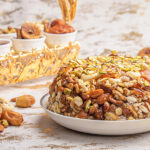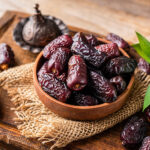
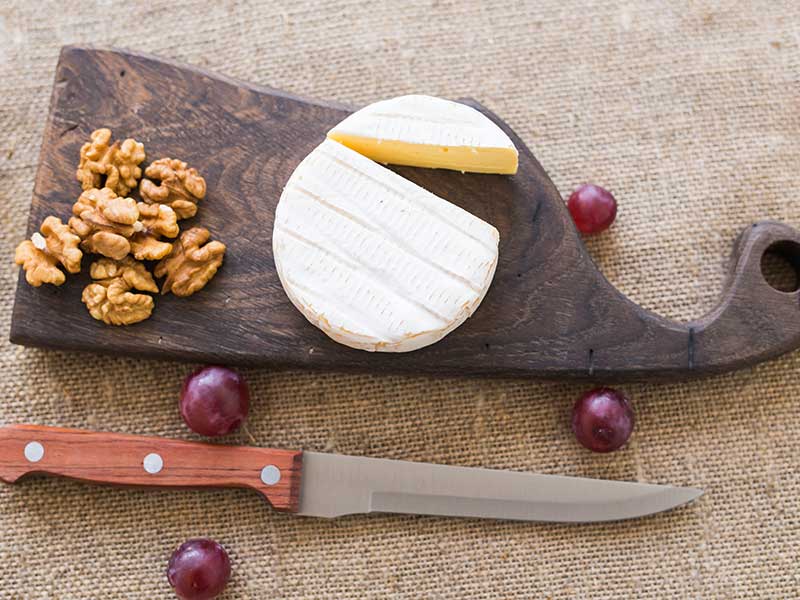
Dry fruits are a staple in many households—not just for their rich taste, but also for their incredible health benefits. From almonds and cashews to raisins and figs, choosing premium-quality dry fruits can make a significant difference in both flavor and nutrition. This guide will help you shop smart and pick the best dry fruits every time.
What Are Premium Dry Fruits?
Premium dry fruits are high-quality, carefully sourced, and properly processed nuts and dried fruits that retain their natural flavor, texture, and nutrients. They are typically free from artificial additives, excess preservatives, and poor storage conditions.
Why Quality Matters
When it comes to dry fruits, quality directly impacts taste, freshness, and health benefits:
- Better Taste: Premium dry fruits have a natural sweetness and crunch without any bitterness or staleness.
- Higher Nutritional Value: Rich in vitamins, minerals, healthy fats, and antioxidants.
- Longer Shelf Life: Properly processed and stored dry fruits stay fresh longer.
How to Identify Premium Dry Fruits
1. Check Appearance
High-quality dry fruits look clean, uniform, and free from dust or damage. Avoid products with discoloration, excessive wrinkles (in nuts), or visible mold.
2. Feel the Texture
Premium nuts like almonds and cashews should feel firm and crunchy, not soft or rubbery. Dried fruits should be slightly moist but not sticky or overly dry.
3. Smell the Product
Fresh dry fruits have a mild, pleasant aroma. A sour or rancid smell is a clear sign of poor quality or spoilage.
4. Look for Proper Packaging
Choose airtight, sealed packaging that protects against moisture and contamination. Transparent packs can help you inspect the product before buying.
5. Check for Additives
Avoid dry fruits with added sugar, artificial colors, or preservatives unless specifically desired.
Must-Have Premium Dry Fruits for Your Kitchen
Stock your pantry with these essential dry fruits:
- Almonds (Badam): Great for brain health and rich in vitamin E
- Cashews (Kaju): Creamy texture and a good source of healthy fats
- Walnuts (Akhrot): Packed with omega-3 fatty acids
- Raisins (Kishmish): Natural sweetness and energy booster
- Pistachios (Pista): Rich in protein and antioxidants
- Dried Figs (Anjeer): High in fiber and minerals
Tips for Smart Shopping
- Buy in Small Quantities: Ensures freshness and reduces waste
- Choose Trusted Brands or Sellers: Reliable sources maintain better quality standards
- Check Harvest or Packaging Date: Fresher stock means better taste and nutrition
- Compare Prices Wisely: Extremely cheap products may indicate lower quality
Storage Tips for Dry Fruits
Proper storage is key to maintaining freshness:
- Store in airtight containers to prevent moisture exposure
- Keep in a cool, dry place away from sunlight
- Refrigerate for longer shelf life, especially in warm climates
- Keep different dry fruits separately to maintain their individual flavors
Final Thoughts
Investing in premium dry fruits is a simple way to upgrade your diet and lifestyle. With better taste, higher nutrition, and longer freshness, quality dry fruits are worth every penny.
Use this guide the next time you shop, and enjoy the richness and goodness of the finest dry fruits every day!