Quick answer: Badam, commonly known as almonds, is a nutrient-dense dry fruit rich in healthy fats, protein, vitamin E, and magnesium. Regular badam consumption supports heart health, brain function, and skin quality. For best results, choose raw or soaked badam dry fruit from a trusted source like Nuttdry, and eat 4-6 pieces daily as part of a balanced diet.
Few dry fruits carry as much cultural and nutritional weight in Indian households as badam. Passed down through generations as a memory-boosting snack for children and a heart-healthy staple for adults, badam dry fruit has earned its reputation the hard way—through centuries of everyday use, not just marketing hype.
But what actually makes badam so beneficial? And how do you tell good quality almonds from the mediocre stuff sitting on a store shelf? This guide breaks down the nutrition, benefits, and buying essentials you need to make badam dry fruit a smarter part of your daily diet.
What Is Badam Dry Fruit?
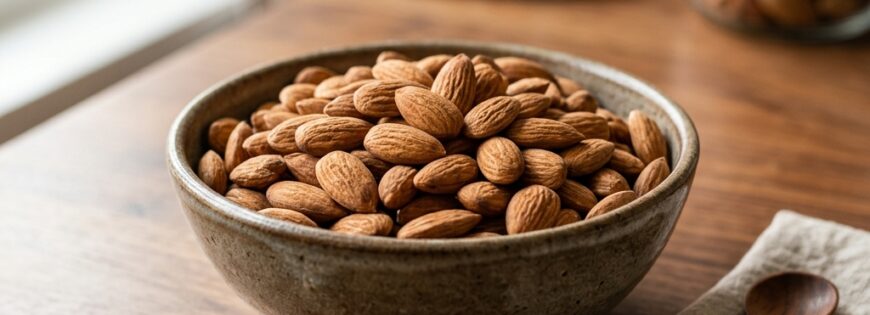
Badam is the Hindi and Urdu word for almond, the edible seed of the Prunus dulcis tree. Native to the Middle East and South Asia, almonds have been cultivated for thousands of years and remain one of the most widely consumed nuts globally.
In Indian kitchens, badam shows up everywhere—soaked overnight for breakfast, blended into badam milk, ground into halwa, or eaten raw as a midday snack. Its mild, slightly sweet flavor and satisfying crunch make it one of the most versatile dry fruits in the pantry.
What Are the Nutritional Benefits of Badam?
Badam dry fruit is dense with nutrients that support multiple areas of health. Here’s what a typical serving offers:
- Healthy fats: Badam is rich in monounsaturated fats, the same type found in olive oil, which support cardiovascular health.
- Protein: A good plant-based protein source, making badam useful for vegetarians and those looking to build muscle.
- Vitamin E: One of the richest natural sources of this antioxidant, which protects skin cells from damage.
- Magnesium: Supports bone health, blood sugar regulation, and muscle function.
- Fiber: Aids digestion and helps you feel fuller for longer.
Does Badam Improve Brain Function?
Yes, badam is often associated with cognitive benefits. Its vitamin E content and healthy fat profile help support memory and reduce oxidative stress in brain cells. This is likely why almonds have long been recommended for growing children and students during exam season.
Is Badam Good for Heart Health?
Badam supports heart health primarily through its monounsaturated fat content, which can help maintain healthy cholesterol levels. The fiber and magnesium in badam dry fruit also contribute to better blood pressure regulation, making it a heart-conscious snack choice when eaten in moderation.
Can Badam Help With Weight Management?
Despite being calorie-dense, badam can support weight management when eaten in controlled portions. The combination of protein, fiber, and healthy fat promotes satiety, reducing the urge to snack on less nutritious options throughout the day.
How Should You Eat Badam Dry Fruit?
There’s no single “correct” way to eat badam, but some methods offer more benefits than others:
- Soaked overnight: Soaking badam in water and peeling the skin before eating is a traditional practice believed to improve digestibility and nutrient absorption.
- Raw, unsalted: A simple way to enjoy badam without added sodium or oils.
- Roasted: Adds a deeper flavor, though roasting at high heat can reduce some nutrient content.
- Blended into milk or smoothies: A popular way to include badam in breakfast routines.
For most people, 4 to 6 badam per day is a reasonable amount to enjoy the benefits without overdoing calorie intake.
How Do You Choose High-Quality Badam Dry Fruit?
Not all badam is created equal. When buying badam dry fruit, look for:
- Uniform size and color: Consistent, light brown almonds typically indicate proper sorting and quality control.
- No rancid smell: Fresh badam should smell neutral or slightly nutty, never sour or musty.
- Minimal breakage: Whole almonds retain freshness longer than broken pieces.
- Trusted sourcing: Buying from a supplier who handpicks and packs hygienically reduces the risk of contamination or poor storage.
At Nuttdry, every batch of dry fruits and nuts and seeds is handpicked for freshness and packed hygienically, so you’re getting quality you can actually taste. If you’re comparing multiple dry fruit options, our guide on the best dry fruits for health is a useful next stop.
Common Objections & Considerations
“Isn’t badam too expensive to eat daily?”
Badam is more affordable than people assume when bought in bulk from a direct source rather than small retail packs. Checking a current dry fruits price guide can help you understand fair market rates before buying.
“Will eating badam make me gain weight?”
Not if consumed in moderation. The satiety effect of badam’s fiber and protein often reduces overall snacking, which can support weight goals rather than hinder them.
“How do I store badam to keep it fresh?”
Store badam in an airtight container in a cool, dry place. Refrigeration extends shelf life significantly, especially in humid climates.
Bringing Badam Into Your Daily Routine
Badam dry fruit isn’t just a passing wellness trend. It is a nutrient-rich, versatile food that has stood the test of time for good reason. Whether you’re soaking it for breakfast, adding it to your desserts, or simply snacking on a handful, badam offers real, tangible benefits when sourced well and eaten consistently.
If you’re ready to make badam part of your everyday nutrition, explore Nuttdry’s collection of nuts and dry fruits, handpicked and packed for freshness. And if you want to go deeper into building a well-rounded dry fruit routine, check out our mixed dry nuts snacking guide for ideas on pairing badam with other nutrient-dense options.
Frequently Asked Questions
What is the difference between badam and almonds?
There is no difference—badam is simply the Hindi and Urdu term for almonds. Both refer to the same edible seed from the Prunus dulcis tree.
How many badam should I eat per day?
Most nutrition guidelines suggest 4 to 6 badam per day is sufficient to gain health benefits without excessive calorie intake.
Is it better to eat badam raw or soaked?
Soaking badam overnight and removing the skin is traditionally believed to aid digestion and nutrient absorption, though raw badam is still nutritious and convenient.
Can children eat badam dry fruit daily?
Yes, badam is commonly given to children in moderate amounts to support growth and cognitive development, though portion sizes should be smaller than for adults.
Where can I buy high-quality badam dry fruit online?
You can buy fresh, handpicked badam and other nuts and dry fruits directly from Nuttdry, where products are sourced and packed with a focus on quality and freshness.